Mon – Fri 7:00 AM – 7:00 PM • Sat 7:00 AM – 2:00 PM
Improve clearance around structures, lawns, and active yard areas through tree trimming in Canfield, OH, focused on selective branch reduction rather than unnecessary canopy cutting.
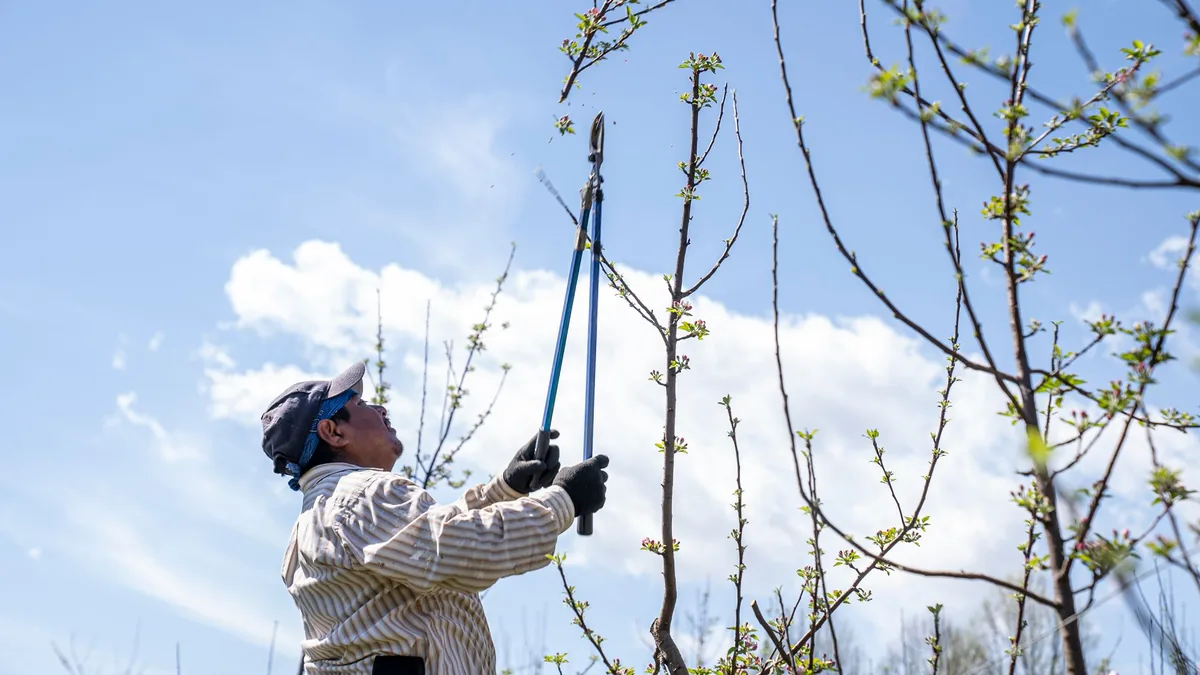
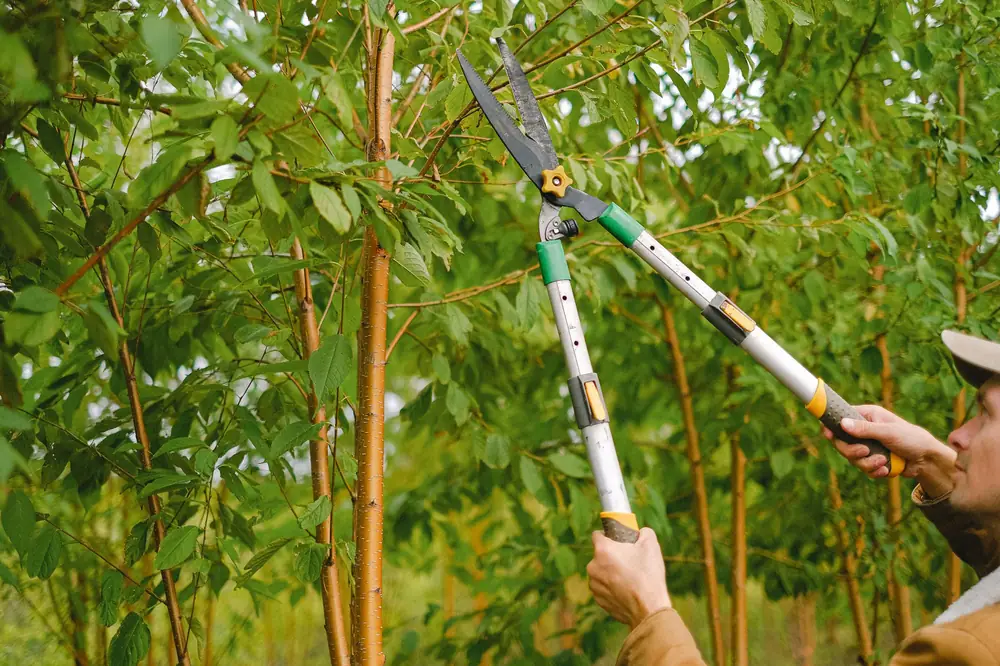
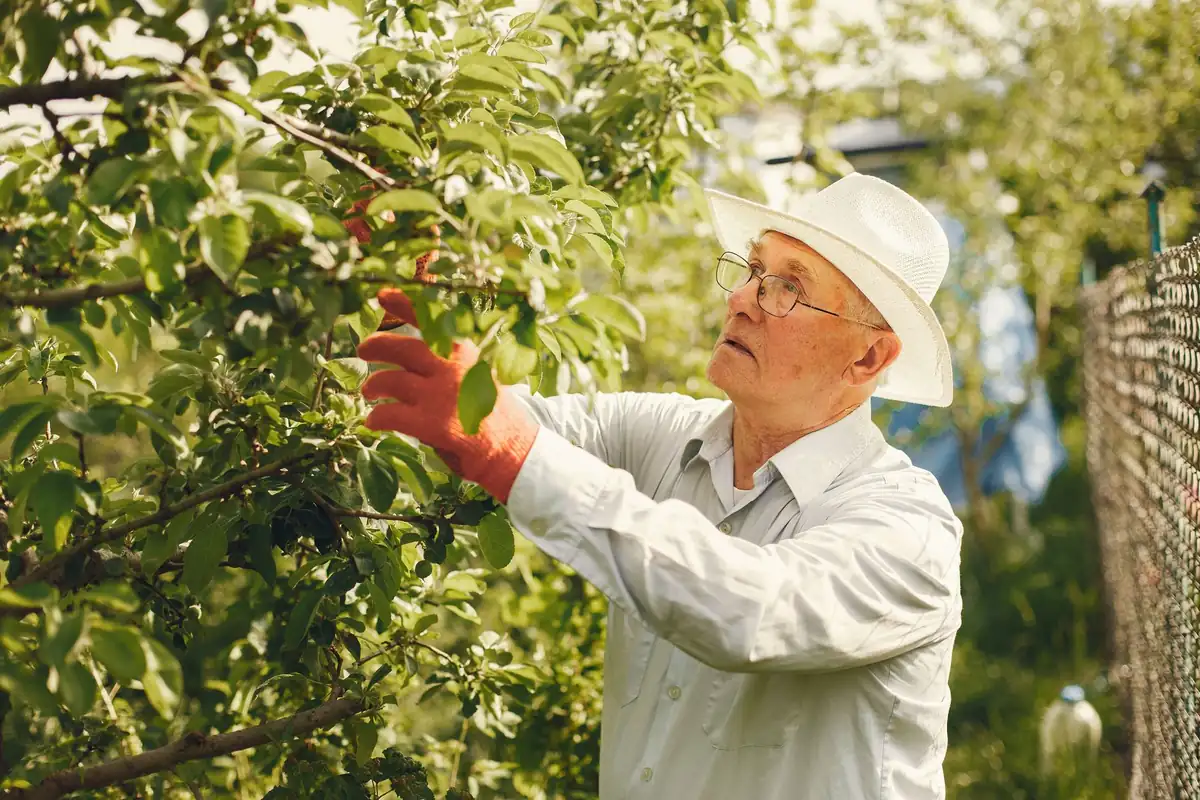
Tree branches naturally expand into the space around them, but that growth can eventually interfere with roofs, fences, walkways, lawn maintenance, or planted areas. Trimming lets you correct specific conflicts while keeping branches that still serve the tree well. Instead of approaching every canopy the same way, branch position, direction, density, visible damage, and surrounding clearance should guide each cutting decision. This creates a more controlled relationship between the tree and the areas people regularly use.
Not every branch needs attention during the same visit. Trimming should focus on growth that causes a clear issue, whether that involves damaged limbs, limited clearance, canopy crowding, or branches extending into areas needed for normal property use.
Reduce branches extending toward rooflines where continued growth can limit practical separation from structures.
Raise selected lower growth when branches interfere with walking, mowing, visibility, or yard access.
Remove visibly dead branches that no longer contribute useful growth within the remaining tree canopy.
Thin selected interior branches where dense growth creates unnecessary congestion within the canopy structure.
Shorten branches extending beyond useful limits when they begin crowding nearby outdoor features or spaces.
Create additional working room where branches interfere with routine maintenance or planned outdoor activities.
Effective trimming is not about making a tree smaller everywhere. The goal is to identify branches that create real conflicts, retain useful growth, and make measured adjustments that improve clearance without unnecessary canopy reduction.
Professional tree trimming targets specific growth concerns instead of removing healthy branches without purpose.
Selective cuts can restore working room around structures, pathways, fences, and frequently used yard areas.
Thoughtful tree canopy trimming manages excessive spread while retaining useful branches throughout the remaining crown.
Branch reduction can support landscaping services when excessive shade or low growth affects nearby planted areas.
Identify branch conflicts, damaged growth, clearance limitations, and canopy areas that require closer attention.
Separate necessary cuts from branches that can remain without interfering with surrounding property use.
Perform approved tree pruning services based on the identified branch priorities and canopy needs.
Review clearance and remaining growth after trimming to confirm the original concerns have been addressed.
These FAQs cover practical trimming decisions on timing, branch removal, canopy density, structural concerns, property clearance, and when pruning may no longer be the right solution.
The best timing depends on tree species, growth pattern, flowering cycle, and the reason for trimming. Many trees benefit from dormant-season pruning, while flowering species may need different timing. Dead, broken, or hazardous branches may need attention whenever they become a concern.
The amount removed should depend on tree age, health, species, and the purpose of trimming. Excessive canopy reduction can stress a tree and encourage weak regrowth. Selective cuts that address specific clearance, damage, or crowding issues are generally preferable to aggressive overall reduction.
The branch collar contains tissues that help the tree respond to a pruning wound. Cutting too close to the trunk can damage this protective area, while leaving an excessive stub can slow closure. Proper cut placement supports a cleaner pruning response after branch removal.
Yes. Selective branch reduction can create clearance around roofs, fences, walkways, driveways, or lawn areas without reshaping the entire canopy. When low growth interferes with mowing or edging, lawn care services may also become easier once targeted branches are removed.
Trimming may not solve problems involving severe decline, extensive structural damage, major trunk defects, or a tree that fundamentally conflicts with property use. In those situations, evaluating the whole tree can determine whether tree removal is more appropriate than repeatedly managing individual branches.
For branches affecting clearance, access, or canopy balance, selective tree trimming in Canfield, OH can address the problem without removing more growth than necessary.
Explain which branches are causing trouble and what they affect around the property, so Youngstown Lawn & Patio Design can discuss an appropriate trimming scope.
3530 Starwick Dr, Canfield, Ohio 44406
(330) 716-0586
jasonreed86@gmail.com
MONDAY to FRIDAY: 7 AM to 7 PM | SATURDAY: 7 AM to 2 PM | SUNDAY: CLOSED
Managing branch growth can change how nearby lawn and landscape areas are used. The next step may involve ground-level maintenance, planting adjustments, or a broader tree decision.
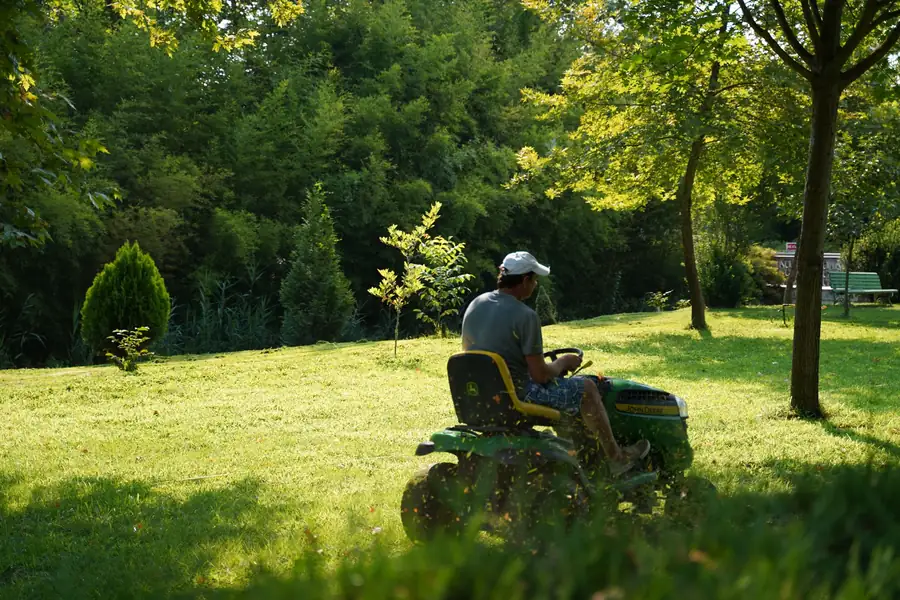
Improved clearance around mature trees can make routine mowing and edging easier through lawn care services.
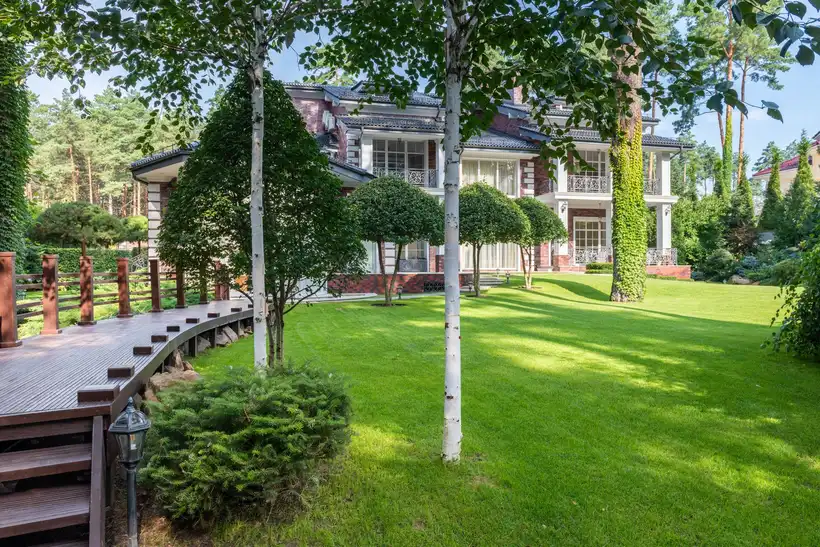
Where shade, access, or planting space changes after trimming, landscaping services can help reorganize the surrounding yard more effectively.
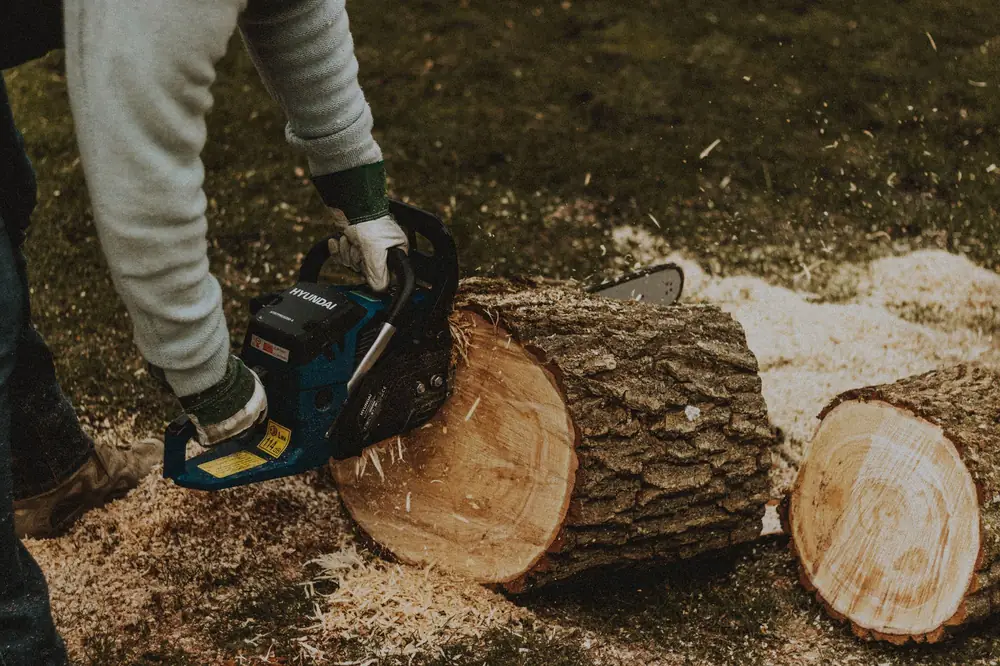
If selective trimming no longer addresses the underlying issue, evaluating the entire tree may make tree removal the more appropriate next step.